Juggling Your Crypto Portfolio, Mobile Apps, and Yield Farming—A Real Talk

So, I was fiddling around with my crypto stash the other day, right? And wow, managing multiple DeFi protocols alongside a mobile app felt like trying to herd cats. Seriously, the maze of wallets, yield farms, and trading platforms is enough to make anyone’s head spin. But here’s the thing: in this multi-chain chaos, having a secure wallet that doesn’t just store your assets but also integrates seamlessly with trading is a game-changer.

At first glance, I thought, “Okay, just stack some coins, hop on yield farms, and let the magic happen.” But then I realized it’s way messier. Yield farming isn’t just about throwing tokens into a pool; you gotta track APYs, impermanent loss, and gas fees across chains. And if your wallet app isn’t up to the task, you’re basically flying blind.

Now, mobile apps? They’re supposed to make life easier, right? But with the DeFi scene evolving so fast, the average app feels either too clunky or too risky. I mean, I’m not about to entrust my portfolio to some random app that looks like it was coded in a weekend.

Something felt off about most wallets claiming to be “all-in-one.” Either they skimp on security or lack robust trading integration. Oh, and by the way, the user experience on many apps? Let’s just say it could use a serious makeover.

Okay, so check this out—there’s this bitget wallet extension I’ve been testing. At first, I was skeptical; browser extensions can be a mixed bag. But it surprisingly nails the balance between security and usability while offering smooth multi-chain portfolio management and embedded trading features. I didn’t expect that.

Managing your crypto portfolio today isn’t just about having assets; it’s about how fast and accurately you can move them, especially when yield farming demands you to be nimble. You might think, “Just use a hardware wallet and call it a day,” but actually, that slows down your DeFi game and makes trading on the fly a headache.

Honestly, I’m biased, but a wallet that syncs effortlessly with your favorite DEXs and farming protocols on your phone or desktop is very very important. Anything less feels like a half-baked tool. And when you throw in the complexity of multiple chains—Ethereum, BSC, Solana, you name it—it’s a whole other level.

Whoa! Here’s where it gets tricky: yield farming itself is a double-edged sword. On one hand, the APYs look juicy; on the other, the risks like impermanent loss and rug pulls lurk in every corner. So, having real-time analytics and alerts integrated within your wallet app can save you from some nasty surprises.

Initially, I thought just tracking your portfolio on a mobile app was enough. But then I realized it’s not just about passive tracking; it’s about active management. You want to be notified when your farm’s APY dips or when a new liquidity pool pops up with better rewards. That’s where the smart wallet apps come into play.
Screenshot of a multi-chain crypto wallet interface showing portfolio and yield farming stats

Speaking of smart wallets, the bitget wallet extension is a neat example of how things can be done. It’s got this slick interface that lets you peek at your portfolio across chains and jump into yield farming or spot trading without ever leaving the app. I’m not 100% sure how it stacks up against the heavy hitters like MetaMask or Trust Wallet, but for multi-chain users who want integrated trading, it’s a breath of fresh air.

Here’s what bugs me about most mobile crypto apps: they tend to prioritize flashy design over practical features. Like, you get a pretty portfolio graph but zero actionable insights. That’s like having a fancy dashboard in your car but no speedometer or gas gauge.

On the topic of portfolio management, it’s worth noting that juggling multiple tokens across chains can make your wallet cluttered and slow. A wallet extension that keeps things tidy with custom filters or grouping is a massive help. Also, syncing your mobile app with a browser extension is a feature I didn’t even know I needed until I tried it.

Hmm… I’m thinking about the trade-offs between custody and convenience here. Non-custodial wallets are safer but sometimes lack the user-friendly features you get from centralized apps. But if you can find that sweet spot—like with some extensions that blend security with easy trading—you’re golden.

Sometimes I wonder if yield farming hype overshadows actual portfolio health. Yeah, those 80% APYs grab attention, but if your wallet can’t help you analyze risk or manage gas fees smartly, you might end up losing more than you gain. So, it’s not just about chasing yield; it’s about managing your portfolio proactively.

By the way, for anyone diving into this space, I’d say don’t overlook the importance of wallet security compared to shiny features. Browser extensions can be scammy, so always vet them carefully. That’s why I keep circling back to options like the bitget wallet extension, which at least shows it’s built with a focus on security and multi-chain compatibility.

Something else that’s kinda cool is how these wallet apps are starting to include DeFi aggregators directly. So instead of hopping between Uniswap, PancakeSwap, or Raydium, you get a unified interface. It’s like having a Swiss Army knife, but for crypto trading and farming.

Seriously, though, the space is evolving so fast that the wallet you pick today might feel outdated in a few months. That’s why I keep an eye on wallets that push updates regularly and support the latest protocols. It’s a bit like choosing a phone—you want one that keeps pace with new apps and security patches.

Okay, I’ll admit, sometimes I get overwhelmed by all this multi-chain yield farming stuff. But with tools that integrate portfolio tracking, trading, and farming analytics into one place, the process becomes less like juggling flaming torches and more like playing a well-tuned instrument.

If you’re on the hunt for a wallet that’s more than just storage—think portfolio management, seamless mobile and desktop syncing, and built-in trading—you might want to give the bitget wallet extension a shot. It’s not perfect, but it definitely hits some sweet spots others miss.

So yeah, managing your crypto portfolio while diving into yield farming on a mobile app isn’t for the faint-hearted. But with the right tools and a bit of patience, it can be rewarding. Just don’t get too caught up chasing the highest APY without understanding what’s under the hood.

Anyway, that’s my two cents. I’m still figuring out the best setups myself, but I’ve learned that a secure, well-integrated wallet can make the difference between stress and smooth sailing. And in this wild west of DeFi, that’s worth its weight in Bitcoin.


Why stETH, Yield Farming, and Governance Tokens Are Rewriting ETH Staking

Whoa! This felt overdue. I’m biased, but staking used to be simple—lock ETH, earn rewards, done. Hmm… now there are layers, and those layers change incentives in ways that are exciting and also a little scary.

Here’s the thing. Liquid staking tokens like stETH let you keep capital mobility while collecting staking yields. That sounds great on paper. But when you start mixing staked positions into yield farms and governance plays, the game changes quite a bit.

At first I thought liquid staking was a pure win. Actually, wait—let me rephrase that: my instinct said “free liquidity,” then reality nudged me hard. On one hand you reduce illiquidity risk; on the other hand you introduce smart contract and protocol risk, and you can concentrate voting power without realizing it. The trade-offs matter.

Short version: stETH is powerful. Really? Yes. But there are tangled incentives. Some are obvious. Some hide in tokenomics and governance design.

Representation of stETH flows between staking, yield farms, and governance participation

What stETH actually does (and why it matters)

stETH is a receipt token for ETH that someone has staked through a liquid staking protocol. It represents the staked ETH plus accrued rewards, minus some technical adjustments. It’s not ETH itself, although it tracks ETH staking value over time.

This means you can do somethin’ clever: stake ETH, receive stETH, then use that stETH as collateral, or supply it in a lending pool, or farm it for more yield. The flexibility is attractive. It’s also where complexity sneaks in.

Let me give an example. If a sizable portion of stakers use stETH as collateral in DeFi, then a smart contract exploit or illiquidity event could propagate losses faster than you’d expect. Initially I thought these were isolated risks. But then I saw correlated exposures across multiple protocols—developers and users often reuse the same building blocks.

Not all liquid staking is identical though. Different providers have different slashing protections, fee structures, and decentralization philosophies. If you’re curious about major providers, check out the lido official site —they’re a central player in the space and worth understanding before you commit funds.

Yield farming with stETH — rewards, leverage, and hidden coupling

Yield farming takes stETH and plugs it into strategies that amplify returns. That’s attractive to yield hunters. You stake, you farm, you earn multiple yield streams. Nice. But layering yields changes where risks are borne.

Here’s a quick breakdown. One, you get base staking rewards from validating the chain. Two, you earn protocol incentives like liquidity mining or trading fees. Three, you might capture governance token distributions if the protocol rewards active participation.

On one hand, the combined yields can be impressive. On the other hand, they can create reflexive incentives: more stETH in farms boosts liquidity and yields, which draws even more stETH in, which increases the protocol’s influence over the underlying staking provider.

People often ignore second-order effects. For example, if a governance token’s airdrop strongly rewards pools that accept stETH, participants will route stETH there rather than small, more decentralized pools. That concentrates both capital and voting power.

Whoa! That concentration matters. It can skew governance outcomes, and fast. I saw this dynamic in a couple of experiments where yield incentives unintentionally handed disproportionate influence to a few large pools.

Governance tokens — why they aren’t just another payoff

Governance tokens are supposed to decentralize control. In reality, they often re-centralize it through incentives. Hmm… sounds counterintuitive? It is.

Initially I thought governance tokens would democratize protocol direction. But then I noticed strategic actors optimizing for influence instead of long-term health. They buy or farm tokens, then coordinate votes that benefit short-term yield or specific ecosystems, not necessarily users at large.

So, governance tokens intersect with stETH-based farming in three ways. First, they create yield that attracts stETH. Second, they provide voting power, which influences protocol parameters that can favor certain liquidity providers. Third, governance mechanisms themselves can change tokenomics mid-game, which creates policy risk.

Long story short: yield and governance feed each other. That can be constructive. Or it can lead to capture. I’m not 100% sure how this will play out, but it’s a pattern worth watching.

Practical risk checklist for ETH ecosystem users

Okay, so what do you do? I’ll lay out a plain checklist I use when considering stETH yield strategies.

1) Understand the provider. Check validators, fee splits, slashing protections, and upgradeability clauses. If your provider can change rules via a centralized key, that’s a red flag. Some providers are more decentralized than others.

2) Measure concentration. Who holds the governance tokens? Where is stETH flowing? If one pool or a small group of wallets controls a lot, that’s systemic risk.

3) Assess smart contract risk. Yield farms and vaults are attractive targets. Audit history helps, but audits aren’t guarantees. Be conservative with leverage, and expect that exploits can happen.

4) Think about liquidity. stETH can’t always convert to ETH 1:1 on demand without slippage. In stressed markets, peg divergence widens, and that can cascade into liquidations and losses elsewhere.

5) Consider counterparty exposure. Many farms use the same or similar oracles, insurance providers, and bridges. Shared dependencies mean shared failures.

Design principles for healthier staking ecosystems

On one hand, liquid staking plus yield farming fuels innovation. Though actually, too much of the same innovation can create monocultures that collapse together. So what would make things safer?

Decentralize validator sets. The more dispersed the validators, the less single-point slashing risk exists. Encourage diversified staking paths. Reward not just capital but responsible node operation.

Align governance incentives with long-term health. Token emissions should favor participation that provides durable value, not just short-term liquidity. Time-weighted voting, reputation systems, and delegate accountability all help.

Increase transparency. Protocols should publish exposures and stress-test scenarios. I want readable dashboards, not opaque promises. (oh, and by the way…) user education matters—a lot.

Examples and quick case studies

Case A: Protocol X introduced an attractive farm that accepted stETH and rewarded governance tokens heavily. Within weeks, supply concentrated, vote outcomes shifted, and a controversial parameter change passed. Users who chased yield didn’t notice the governance shift until it was too late.

Case B: Protocol Y focused on diversified validator operators and limited farm incentives to prevent monopolization. Growth was slower, but more stable. When markets corrected, the protocol weathered the storm with fewer liquidation cascades.

These aren’t perfect parallels, but they show how incentive design matters. My instinct said “more yield equals more adoption.” That’s true to an extent, but the adoption curve must be managed prudently.

FAQ

What is the difference between stETH and wstETH?

stETH accrues value passively as staking rewards compound. Wrapped variants like wstETH convert that accruing balance into a fixed-supply token that reflects a share of the accumulated value, which makes it easier to use in some DeFi primitives.

Is yield farming with stETH safe?

Nothing is risk-free. The risks are staking provider issues, smart contract exploits, liquidity mismatches, and governance centralization. Use diversification, limit leverage, and scrutinize the protocols you’re interacting with.

How do governance tokens affect stETH holders?

Governance tokens can create additional yield, but they also create political power. stETH inflows to rewarded pools can centralize both capital and votes, which changes the governance landscape in ways that may not align with all stETH holders’ interests.

I’m cautious but optimistic. There are brilliant builders in this space working on more resilient designs. I’m not 100% sure which designs will dominate. Something felt off in early experiments, and, honestly, some parts still bug me—but there are fixes in flight.

Final thought: treat stETH as a tool, not a one-way ticket. Use it thoughtfully. Watch incentives. Don’t assume yield equals safety. The promise is real, though, and if we get incentive design right, we could have liquid, secure staking that scales without handing governance to a handful of players.

Why firmware updates, trading habits, and portfolio rules matter more than you think

Whoa, that surprised me. Firmware updates are boring but critical for hardware wallets. If you skip them you risk losing access or funds. This is especially true when you trade actively and manage many coins. Initially I thought firmware updates were a nuisance, but then I realized they could be the difference between a smooth restore and a nightmare, and that perspective changed how I manage devices.

Really, yep, seriously. Updates patch vulnerabilities and improve device compatibility with wallets and apps. They also fix bugs that could brick devices or corrupt transaction signing. But not all updates are identical and blind acceptance is not smart. Manufacturers sometimes bundle UX tweaks with security patches, and discerning what truly matters requires context about the change log, the crypto assets you hold, and how you interface with trading platforms.

Here’s the thing. Before updating, take a breath and verify the release notes from official sources. Never install firmware from random links or shady emails. Confirm the vendor’s signature and the device’s on-screen fingerprint when possible. I prefer to cross-check the update announcement on forums, on-chain developer commits, and vendor pages because that triangulation often reveals rushed releases or community-reported regressions before they hurt your stack.

Hardware wallet on a desk with recovery notes and a laptop

Hmm… somethin’ felt off. If you’re active in trading you should schedule updates during quiet hours. Back up your seed and double-check that your recovery phrase is safe before touching firmware. Hardware wallets keep keys offline, but they need secure software too. Also, be cautious with beta firmware; testers may help catch edge cases, though deploying betas on a primary wallet used for active trading is a gamble that most of us shouldn’t take lightly.

Okay, so check this out— Use a dedicated device for trading when possible and another for cold storage. That separation reduces risk and simplifies recovery steps if something goes sideways. Keep firmware versions documented for each device in a secure notes manager, it’s very very important. When integrated with portfolio management tools you should ensure those tools are read-only or have multi-sig protections so a rogue update doesn’t chain-react into automatic trades or compromised custody.

I’m biased, but Ledger devices and similar hardware have strong track records, though nothing is perfect. I use a mnemonic vault and a passphrase on my spare device for certain holdings. Make sure your trading software is up to date and that your connectors are vetted. Also audit the UX flows for signing transactions; sometimes third-party apps request oddly permissive permissions that, combined with a buggy firmware, can create unexpected attack surfaces.

I’m not 100% sure, but if you manage multiple accounts, label devices clearly and rotate them periodically. Automate portfolio tracking without giving write access whenever possible. For traders, quick liquidity matters, yet so does safety—balance both with rules and backups. I recommend testing firmware updates on a disposable device or emulator, when feasible, to spot regressions in transaction signing flows before rolling changes into your main trading setup.

Practical checks and a simple habit to adopt

Whoa, really surprising. For step-by-step procedures, rely on vendor guides and cross-reference community threads. If you use ledger for portfolio tracking, keep it updated and cautious. Always pair the app with hardware verification and never enter your seed into software wallets. Finally, document your recovery drills, practice restoring occasionally in a safe environment, and have a written incident plan so that if firmware or trading anomalies occur you can move calmly and restore positions without rash decisions.

FAQ

When should I update firmware if I trade often?

Schedule updates during low-activity windows and after you confirm backups. If a patch addresses a critical vulnerability, act faster; for minor UX changes, wait a day or two for community feedback. A quick check of official release notes and the vendor’s support channels usually tells you whether this is urgent or not.

Can portfolio management tools compromise my hardware wallet?

They can if misconfigured. Use them in read-only mode when possible, enable multi-sig for custody-sensitive assets, and avoid granting broad permissions to third-party aggregators. Treat these apps like any other connector: vet, update, and isolate in your process.

Why liquidity pools, WalletConnect, and your Ethereum wallet really matter — and how to keep control

Okay, so check this out—liquidity pools are the secret sauce behind most DeFi trading these days. Wow! They let anyone become a market maker without asking permission. At first glance it looks simple: you deposit assets, earn fees, and watch the APY tick up. But there’s more. Much more, and some of it can bite you if you’re not careful.

I’m biased, but I like self-custody. Seriously? Yes. My instinct always said trust yourself before trusting a third party. Initially I thought wallets were just storage tools, but then I realized they’re the front line for interacting with liquidity pools and decentralized exchanges. On one hand they give you freedom; on the other hand they put all the responsibility squarely on you—no resets, no customer service, no refunds.

So what does a typical DeFi user need to get right? Short answer: a wallet that plays nice with WalletConnect, good UX for managing approvals, and clear ways to monitor impermanent loss and pool composition. Hmm… that sounds dry, but it matters when your positions are worth real money. Here’s where the practical stuff starts to matter.

User interacting with an Ethereum wallet on mobile while checking a liquidity pool dashboard

Liquidity pools in plain English

Liquidity pools are just token pools that power swaps. Simple. But there’s nuance. Pools are typically smart contracts that hold token pairs (or more), and they issue LP tokens to represent your share of the pool. When traders swap through the pool, they pay fees that accrue to LPs. Great in theory. In practice, pool composition, price divergence, and volume determine your returns—and those returns can be dominated by impermanent loss if prices move against you.

Here’s what bugs me about how some people talk about pools: too many folks focus only on APY. That’s misleading. APY is a snapshot. It rarely tells you how much your underlying assets will be worth after a big market move. I’ll be honest—I’ve seen very very attractive APYs evaporate once volatility kicks in. So think of APY as one metric, not the whole story.

Liquidity pool design varies. Constant product pools like Uniswap V2 use x*y=k, while newer models use range or concentrated liquidity to boost capital efficiency. Those design choices change how sensitive your position is to price swings, gas costs, and impermanent loss. Oh, and by the way, fee tiers matter—choose wisely based on expected volatility.

WalletConnect and why interoperability matters

WalletConnect is the bridge. It lets your mobile wallet or desktop app talk to web apps without exposing your seed phrase. Simple idea, huge impact. Real talk: sometimes pairing fails, sometimes sessions persist longer than you expect, and sometimes dapps ask for permissions that feel excessive. Be mindful.

When you use WalletConnect, treat each pairing like a handshake at a bar—trust signals matter. Check the session, check the allowed methods, and disconnect when you’re done. My instinct said this is obvious, but I still see people leave sessions open for days. Honestly? That scares me.

Practical tip: use wallets that show active WalletConnect sessions clearly and let you revoke them with one tap. That UX difference can save you a lot of stress. Also, some wallets will surface approval requests with contextual info (like approximate gas or which contract you’re interacting with)—that’s worth paying for.

Choosing an Ethereum wallet that keeps you in control

Okay, so check this out—when you’re picking a wallet, you want three things: clear key management, good permission controls, and easy interaction with DEXs and liquidity pools. Your wallet should make it hard to accidentally grant unlimited approvals. If it doesn’t, walk away.

Some wallets package built-in DEX access, price charts, and LP dashboards so you can make informed choices without juggling a dozen tabs. I used a wallet that let me quickly view my LP position value, pooled tokens, and expected fees; that changed the way I managed risk. (Not all wallets do this well.)

Also: backups. Please back up your seed. This is non-negotiable. I’m not trying to nag, but losing seed phrases is still the most common user failure. Write it down, store it somewhere safe, and consider a split seed or multisig if you’re holding significant funds. If you’re experimenting, start small.

Practical safety checklist

Here’s a quick set of habits I follow—some might be overkill for small amounts, though actually, wait—better safe than sorry.

  • Audit the pool and contract if possible. Check community trust and verified code.
  • Set token approvals to specific amounts instead of unlimited allowances when the wallet allows it.
  • Monitor active WalletConnect sessions and revoke old ones.
  • Use gas controls; avoid confirming transactions with suspicious calldata or outsized gas limits.
  • Consider using a dedicated trading wallet for high-frequency DEX activity and a separate cold wallet for long-term holdings.

On impermanent loss: expect it. On impermanent loss recovery: it depends on future price moves and fees earned. On farming incentives: sometimes they’re worth it; sometimes they mask shallow liquidity and exit risk. Balance your expectations—and don’t chase shiny tokens without understanding the pool dynamics.

Where the uniswap wallet fits in

The uniswap wallet integrates tightly with DEX flows and often shows pool metrics inline. That makes onboarding easier for many users. For someone who trades frequently or provides liquidity across pools, a wallet that flows smoothly into Uniswap’s interface and supports WalletConnect can save time and reduce friction. That matters when you’re managing several positions across different pools—usability becomes risk mitigation.

I’m not endorsing everything you see there, and I’m not saying it’s perfect. But in practice, having the wallet and the DEX interaction closer together reduces cognitive load and fewer clicks means fewer mistakes. Again—your mileage will vary.

FAQ

What is impermanent loss and should I worry about it?

Impermanent loss happens when the price of pooled tokens diverges from when you deposited them. If you withdraw after a large price change, your dollar value may be less than if you’d simply held the tokens. Worry about it proportionally: for short-term or volatile pairs, it can dominate returns; for stable or low-volatility pairs, it’s less of a factor.

Can I use WalletConnect safely?

Yes, if you treat it carefully. Verify the dapp, review requested permissions, and disconnect when you’re done. Prefer wallets that list active sessions and allow quick revocation. Also, never paste your seed phrase into a website—WalletConnect never requires it.

Is a self-custodial Ethereum wallet better than a custodial exchange?

It depends on your priorities. Self-custody gives you control and access to DeFi primitives like liquidity pools and yield farming, but it also means responsibility for security. Custodial exchanges offer convenience and fiat on-ramps, but they can be subject to withdrawal limits, freezes, or insolvency. Many users split funds between both models.

Any final safety tips?

Yes—use small test amounts when interacting with new pools or strategies, keep software updated, and learn to read transaction data before approving. Oh, and back up that seed. I’m not 100% sure I can stress that enough…

How to lock down private keys without memorizing a 24-word prayer

Whoa! I mean, seriously, the whole seed-phrase worship thing is wild. For years people treated a 24-word list like a holy relic, and you either guarded it in a safety deposit box or you put it under a floorboard and hoped for the best. My instinct said there had to be a saner middle ground — and honestly, there is. This piece breaks down what I’ve learned from testing hardware cards, playing with smart-card UX, and losing sleep over single points of failure.

Here’s the thing. Traditional seed phrases are safe when used perfectly. But humans are messy. We misplace paper. We type things wrong. We get hacked via phishing. On one hand, the mnemonic model is brilliant because it’s human-readable and offline. Though actually, wait—let me rephrase that: it’s brilliant in theory, and fragile in practice. Initially I thought that the only reliable alternative was cold-storage devices that still require memorization. Then I started poking at smart-card approaches and things changed.

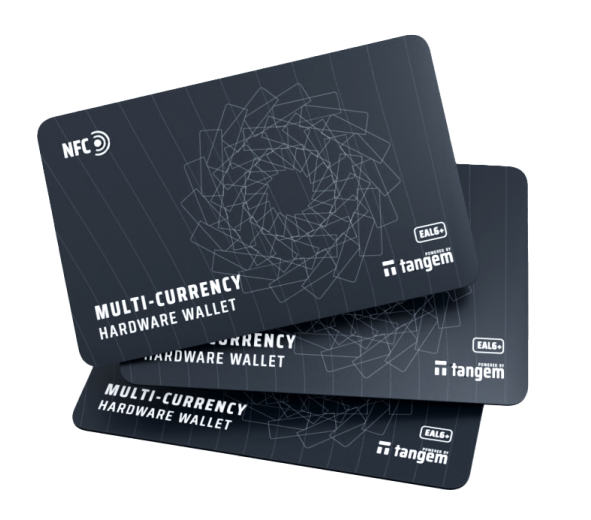
Short version first. There are hardware-wallet-smart-card hybrids that store private keys inside tamper-resistant chips and that never expose the seed. They let you sign transactions without revealing the private key to your phone or computer. Check this out—one approach that’s earned my respect is the tangem style: a contactless smart card where the key is generated on the card and never leaves it. No paper seed to recite. No keyboard typing. Simpler, in many ways.

A compact smart card-style hardware wallet sitting next to a smartphone, illustrating contactless signing

Why consider a seed-phrase alternative?

I’ll be honest: seed phrases are elegant. They also scale poorly for real people. You start with a backup sheet. Then you make copies. Then you stash one at your mom’s house and one in a fireproof safe (or you think you do). Suddenly your security model has more attack surface than before. Something felt off about handing the physical security burden entirely to the user. My gut said there had to be a way to keep the private key both secure and invisible, while letting people recover access without ritual memorization. That was the motivating itch.

Smart-card wallets (and card-like hardware wallets) change the mental model. Instead of “here’s the key, hide it,” it’s “the key stays in the card, do your actions through it.” You tap, it signs. You lose the card, you use built-in recovery options (some offer secure cloud or multi-card schemes). There are trade-offs—recovery is no longer “write down 24 words and you’re done”—but for many, it’s a net win.

One practical concern though: how to design recovery without reintroducing fragility. On-paper seeds were simple because they were universal. Card recovery systems are more vendor-specific. On one hand that’s ok—vendors innovate. On the other, you lock yourself in, and that bugs me. Balance is everything here.

Real-world threats and how cards mitigate them

Phishing. If a device never hands over your private key, a phishing website can’t siphon it directly. It can trick you into signing garbage, sure, but good firmware and UX help mitigate that. Man-in-the-middle attacks become harder. Physical theft still matters, but many card designs require a PIN for use, and some support biometric or multi-card authentication. I’m biased, but I prefer designs where the key is sealed inside a secure element rather than stored on an app or exported as a raw file.

Supply-chain risk is real. If you buy a hardware card from an untrusted source, someone could preload keys or intercept setup. Buy from reputable sellers, check tamper seals if provided, and initialize in-person if possible. These are basic ops security moves. Also: keep firmware updated. I know updates are annoying. But for devices that enforce signatures and secure channels, firmware fixes matter a lot.

Another angle: social engineering. People can be convinced to reveal recovery codes. A physical card reduces that risk by making the attacker need physical possession or access to the secondary recovery method. That shifts the attack from a conversational exploit to something harder to pull off.

UX trade-offs and what I actually used

Okay, so check this out—I’ve carried a card in my wallet for a couple months. It felt a little futuristic. At the coffee shop, I tapped to sign a small test transfer, and it worked. No seed words in sight. No awkward hardware dongle. On the downside, I had to set up a recovery plan: I backed up a recovery card and stored it separately. Simple, but it required thought. I’m not 100% sure every user will plan that out correctly.

Some folks worry about interoperability. Fair point. If you lock into a proprietary recovery method, you might regret it later. On the other hand, an ecosystem that standardizes card-based signing (and I think we’ll get there) simplifies things and reduces vendor lock. The best middle ground today is a card that supports open standards and can export public keys or support standard signature schemes without tying you into a closed recovery ecosystem.

Also, wallets need to show transaction details clearly. A tiny screen or a phone confirmation can allow the card to simply sign what you see. If the UI is vague, you’ll click “approve” and regret it. So UX matters. A lot. Designers, take note.

How to choose and what to test

First, check whether the product generates keys on-device. If it does, that’s a win. Second, confirm the device’s recovery options and whether they match your threat model — do you prefer a duplicate card, a split-secret scheme, or encrypted backup? Third, verify third-party audits and community trust. No audit isn’t necessarily fatal, but it’s an important signal.

Test before you trust. Generate a small wallet, transfer $5, and try the whole recovery path. Sounds obvious. But many people skip that because it’s tedious. Do it. You learn where the friction lives and whether the tool matches your habits (and your paranoia level).

And please, don’t put all your eggs in one vendor. Diversify recovery methods for very large holdings. Use two-factor patterns where feasible. Use multisig for large pots. These approaches are more work, yes, and they’re not sexy, but they save you from very bad days.

FAQ

Can a smart card replace my 24-word seed?

Short answer: yes, but with nuance. A smart card can hold your private key and eliminate the need to memorize or store a seed phrase. However, you must have a solid recovery plan that fits the card’s architecture—some use duplicate cards, others use encrypted cloud backups. Think through loss scenarios before moving everything over.

Is it safe to carry a card in my wallet?

Generally yes, if the card requires a PIN and has tamper resistance. But physical theft is still possible. For daily amounts it’s fine; for large holdings, consider a more distributed approach like multisig or storing the bulk offline in a second secure location.

I’m not claiming this is perfect. There are trade-offs. On the other hand, for people who hate the seed-phrase ritual and want something more practical, card-based hardware wallets are a compelling option. They reduce human error while keeping cryptographic guarantees intact. Try one. Test recovery. Keep your paranoia calibrated and your firmware up to date. And for a card-style option that follows this philosophy, look into tangem if you want a specific product to evaluate.

Alright, that’s the run-down. I’m leaving some threads open because the space is moving fast and honestly, I like that—keeps us thinking. Somethin’ to consider next time you debate paper vs. plastic.

Sonbahis Casino Araştırması: Yenilikçi Oyun Deneyimi

Sonbahis casino, son yıllarda çevrimiçi kumar dünyasında önemli bir itibar ve kullanıcı tabanı edinmiştir. Bu makalede, sonbahis casino platformunun sunduğu özellikler, avantajlar ve oyuncular için sağladığı olanaklara dair detaylı bir inceleme gerçekleştireceğiz. Ayrıca sadakat programları ve yeni teknolojilerin kumar deneyimine etkisi üzerine de duracağız.

Sonbahis Casino’nun Temel Özellikleri

Sonbahis casino, zengin oyun yelpazesi ile dikkat çekmektedir. Bu platformda; slot oyunları, masa oyunları, canlı krupiyeler ile oyunlar ve spor bahisleri gibi çeşitli eğlence seçenekleri bulunmaktadır. Bunların yanı sıra kullanıcı dostu bir arayüze sahip olması, oyuncuların deneyimini büyük ölçüde geliştirmektedir.

Sonbahis Casino Kayıt Süreci

Bir oyuncu olarak sonbahis casino deneyiminizi başlamadan önce kayıt olmanız gerekmektedir. Kayıt işlemi oldukça basit ve hızlıdır. Siteye giriş yaptıktan sonra, gerekli bilgileri doldurarak kısa sürede hesabınızı oluşturabilirsiniz. Üyelik sırasında sonbahis casino kayıt işlemi için gerekli olan belgeleri sağlamanız gerekebilir.

Sadakat Programları ve Avantajları

Sonbahis casino, kullanıcılarını ödüllendirmek amacıyla etkileyici bir sadakat programı sunmaktadır. Bu program, oyuncuların daha fazla kazanmasını ve çeşitli avantajlardan faydalanmasını sağlamaktadır. Kullanıcılar, yaptıkları bahislerle puan toplayarak çarpanlar, bonuslar ve özel ödüllere erişim sağlayabilirler. Bu durum, oyuncuları daha fazla oyun oynamaya teşvik etmektedir.

Yeni Teknolojilerin Etkisi

Sonbahis casino, yenilikçi teknolojilerle donatılmış bir platformdur. Mobil uyumluluk, kullanıcılara her yerden erişim imkânı sağlamaktadır. Ayrıca, sanal gerçeklik ve artırılmış gerçeklik uygulamaları üzerine yapılan çalışmalar, gelecekte oyun deneyimini daha da geliştirecektir. Bu tür teknolojilerin entegre edilmesi, oyun severler için daha sürükleyici ve etkileşimli bir ortam sunmaktadır.

Oyun Seçenekleri: Klasik ve Modern

Sonbahis casino, hem klasik hem de modern oyun seçeneklerine sahiptir. Geleneksel masa oyunları (poker, rulet, blackjack) ile birlikte, popüler slot çeşitleri ve yenilikçi oyunlar da yer almaktadır. Canlı casino bölümü, gerçek krupiyelerle oyun oynamanıza olanak tanıyarak, gerçek bir kumar deneyimi sunmaktadır.

Oyuncu Soru-Cevapları

  • Soru: Sonbahis casino’da hangi oyunlar var?
  • Cevap: Slot oyunları, masa oyunları, canlı krupiyeler ve spor bahisleri mevcut.
  • Soru: Kayıt işlemi ne kadar sürüyor?
  • Cevap: Kayıt işlemi genellikle birkaç dakika içinde tamamlanmaktadır.
  • Soru: Sadakat programı nasıl çalışıyor?
  • Cevap: Bahis yaptıkça puan toplarsınız ve bu puanlarla bonuslar alırsınız.
  • Soru: Mobil uyumlu mu?
  • Cevap: Evet, sonbahis casino mobil cihazlarla uyumlu olarak tasarlanmıştır.
  • Soru: Yeni oyun teknolojileri nelerdir?
  • Cevap: VR ve AR uygulamaları, oyun deneyimini zenginleştirmek için geliştiriliyor.
  • Soru: Canlı oyun seçenekleri nerede bulunur?
  • Cevap: Canlı oyunlar, casino ana sayfasında ‘Canlı Casino’ bölümünde yer almaktadır.
  • Soru: Hangi ödeme yöntemleri kabul edilmektedir?
  • Cevap: Kredi kartları, e-cüzdanlar ve banka havaleleri gibi birçok yöntem mevcuttur.
  • Soru: Oyunlar ücretsiz mi oynanabilir?
  • Cevap: Bazı oyunlar demo modunda ücretsiz oynanabilir, ancak canlı oyunlar için hesap gerekmektedir.

Sonbahis casino, profesyonel ve yenilikçi bir platform olarak öne çıkmaktadır. Oyunculara sunmuş olduğu çeşitli olanaklar, uygun kullanıcı arayüzü ve sağladığı avantajlarla, canlı oyun severlerin tercihi haline gelmiştir. Detaylı bilgi için sonbahis casino web sitesini ziyaret edebilirsiniz.

Why Staking and Atomic Swaps Make a Multicurrency Wallet a Game-Changer

Wow! Have you ever just stared at your crypto wallet and felt… meh? Like, sure, it holds your coins, but what else? Something felt off about the usual wallets—they’re either too clunky or too limited. So I started digging into multicurrency wallets with staking and atomic swap features. And honestly, it’s wild how much more freedom you can get when you go beyond the basics.

At first, I thought staking was just some fancy buzzword tossed around by crypto evangelists. But then I realized it’s kinda like planting seeds in a garden—you let your assets grow while you sleep. It’s passive income, but with crypto. Not bad, right?

But here’s the thing: not every wallet lets you stake directly inside it. And that’s where the magic of an atomic wallet comes in. It’s like the Swiss Army knife for crypto holders, letting you manage multiple currencies, stake them, and even swap without involving sketchy intermediaries.

Seriously, the built-in atomic swaps blew my mind. It’s a protocol that lets you exchange coins peer-to-peer across different blockchains without relying on third-party exchanges. So no middlemen, no crazy fees, and no waiting forever for confirmations. Hmm… that’s pretty slick.

Okay, so check this out—imagine you hold some Bitcoin but want Ethereum, and the exchange rates are fluctuating fast. With atomic swaps, you’re basically cutting the line and trading directly with someone who wants Bitcoin for their ETH. No exchange fees, no risk of hacks on centralized platforms. On one hand, it sounds too good to be true, but actually, the tech’s been battle-tested in real scenarios.

Now, staking inside a multicurrency wallet—why bother? Because it’s not just about holding coins; it’s about making your portfolio work for you. The atomic wallet supports staking for various coins, which means you can diversify your passive income streams without juggling multiple platforms.

Initially, I thought more wallets should offer this, but then again, staking isn’t always straightforward. Each coin has its own rules, lock-up periods, and rewards. The wallet has to navigate all that seamlessly, or it becomes a headache. Actually, wait—let me rephrase that… the wallet has to make it so simple that even a newbie can stake confidently without fearing they’re gonna mess up their holdings.

Now, here’s something that bugs me: fees. Yeah, fees are everywhere in crypto, but staking in multicurrency wallets like atomic wallet tends to be pretty reasonable. You’re not getting gouged by hidden charges, which is refreshing. However, sometimes the network fees for transactions sneak up on you, especially when the blockchain is busy. So, patience is still a virtue.

On a tangent—oh, and by the way—security is a big deal here. Using a multicurrency wallet with staking and atomic swaps means you’re trusting one tool with a lot. But the atomic wallet uses decentralized private key storage, so your keys never leave your device. That’s comforting, especially with all the hacks you hear about.

Still, I’m not 100% sure staking is for everyone. For those who like to move their assets around quickly, locking coins up might feel restrictive. But if you’re the “set it and forget it” type, it’s pretty perfect. My instinct says it’s worth experimenting with small amounts first—test the waters before diving in.

Atomic wallet interface showing staking and atomic swap features

Atomic Swaps: The Silent Revolution

Yeah, atomic swaps don’t get the spotlight like Bitcoin or Ethereum, but they really should. They’re like the unsung hero of decentralized trading. Think about it: no sign-ups, no KYC, no limits. You just swap coins directly. It’s peer-to-peer at its finest.

Here’s the catch, though—atomic swaps aren’t super common in everyday wallets. Most exchanges still rely on centralized order books. So when you find a wallet with built-in atomic swap support, like the atomic wallet, it feels like stepping into the future.

My first atomic swap was a bit nerve-wracking. I swapped Litecoin for Dash, and the whole thing happened smoothly without me needing to trust anyone else. It was quite the “aha!” moment. But I gotta admit, the process still felt a bit technical at first—there’s a learning curve, no doubt.

On one hand, atomic swaps promise privacy and autonomy, but on the other, they’re limited by which coins support the technology. Not all blockchains are compatible yet, so you could get stuck if you’re trying to swap something niche. Though actually, with wallets like atomic wallet adding more coins regularly, this is improving.

And here’s another thing: speed. Atomic swaps aren’t instantaneous; they depend on blockchain confirmation times, which vary. Sometimes you wait a bit longer than you’d like. But honestly, when you consider the security trade-off, it’s worth it.

Staking: More Than Just Passive Income

Staking’s cool because it aligns your interests with the network’s health. When you stake, you’re essentially helping secure the blockchain, and in turn, you earn rewards. That’s pretty neat—your coins aren’t just sitting idle, they’re working for you and the network.

But there’s a flip side. Locking up coins means you can’t use or sell them during that period. Markets are volatile, so if prices tank, you might feel stuck. That risk is real. Still, if you choose your coins wisely, staking can be a steady source of returns.

Using a multicurrency wallet that supports staking means you can experiment with different coins’ staking programs without bouncing between apps. The atomic wallet makes this pretty user-friendly, though I wish the interface were a little more intuitive in places. But hey, that’s a minor gripe.

Something else I noticed: staking rewards vary wildly. Some coins offer high APYs but come with higher risks or longer lock-ups. Others are safer but pay less. Balancing that is an art—and a very personal one, depending on your risk appetite.

By the way, if you’re new to staking, don’t expect to get rich overnight. It’s more a marathon than a sprint. But the compounding effect over time can be surprisingly rewarding.

Wrapping It Up (But Not Really)

So, what’s the takeaway? Multicurrency wallets with staking and atomic swaps, like the atomic wallet, are reshaping how we interact with crypto. They combine flexibility, security, and earning potential in one neat package. I’m biased, but I think this is where wallets are headed.

Still, I’m curious how this space will evolve. Will atomic swaps become standard? Will staking models change? Only time will tell. For now, dipping your toes into these features can be pretty rewarding, both literally and figuratively.

Anyway, this stuff keeps me up at night sometimes—thinking about the potential and the pitfalls. But hey, that’s the thrill of crypto, right? Always something new to figure out.

Why CoinJoin Still Matters — and What Wasabi Wallet Gets Right

Whoa! Privacy in Bitcoin is messier than we pretend. Seriously? Yes. Right away: Bitcoin is pseudonymous, not anonymous. That little distinction changes everything for people who care about privacy, and it shapes how tools like the wasabi wallet fit into the picture.

Here’s the thing. My first impression of mixing tools was naive. I thought “mixing = anonymity, end of story.” Then I watched chain-analysis firms publish deanonymization case studies and felt my confidence wobble. Initially I thought CoinJoin would be a simple privacy layer, but then I realized that metadata, on-chain heuristics, and off-chain KYC links can erode a lot of the gains. Actually, wait—let me rephrase that: CoinJoin helps, but it is not a magic cloak. On one hand it obscures ownership links; on the other it can’t erase history that was already recorded.

CoinJoin, in broad strokes, is a way for multiple users to combine their inputs into a single transaction so outputs are harder to link back to inputs. That’s the core idea. No heavy math here in the description — just a social protocol where equal-value outputs make tracing harder. But the devil lives in the details: timing, address reuse, wallet metadata, and the operational choices you make all matter.

A simplified illustration of multiple participants combining inputs into one CoinJoin transaction

Wasabi Wallet: what it does (and what it doesn’t)

I’ll be honest: I’m biased toward privacy-conscious software. Wasabi is one of the more mature desktop wallets implementing CoinJoin with a focus on practical privacy. It integrates Tor for network-level privacy, provides coin control, and coordinates CoinJoin rounds via a coordinator that uses blinded signatures to minimize linkage. Check out the original project site at wasabi wallet for more context and to confirm current features.

But nuance matters. Wasabi reduces certain linkability risks by grouping participants into rounds where outputs have identical denominations. That made me feel better at first. Then, as I read more technical write-ups and audited some rounds, something felt off about complacency: you still need good operational security. If you withdraw from a KYC exchange into the same address cluster you used before, the privacy gains can evaporate. Somethin’ like that.

Wasabi is not a laundromat. It’s a privacy tool that raises the cost of chain-analysis. It doesn’t guarantee anonymity in the face of traffic correlation, advanced heuristics, or legal compulsion. It makes certain tracking heuristics far weaker, though. That tradeoff — stronger privacy, but not perfect — is central.

How CoinJoin raises the bar — without promising total anonymity

Imagine ten people each contributing different inputs and getting back equal outputs. An observer sees one big transaction with identical-sized outputs and can’t trivially say which input maps to which output. Medium-level complexity. It works because it breaks simple heuristics like the common-input-ownership assumption. But here’s where attackers pivot: chain analysts look at timing, address reuse, denomination patterns, and off-chain links to peel back anonymity layers.

So, CoinJoin increases plausible deniability. It also changes the statistical landscape of the blockchain, creating entropic noise that analysts must overcome. But they have tools. They correlate deposits and withdrawals, analyze multiple rounds, and model likely flows.

On the policy side, regulators and exchanges sometimes treat CoinJoin outputs as “higher risk.” That’s not uniformly true, though. Some custodial services flag mixed coins; others don’t. This ambiguity causes friction for people who want privacy for legitimate reasons — journalists, activists, or everyday users who dislike pervasive surveillance.

Practical privacy principles (high level)

Okay, quick bullets you can actually use — no step-by-step mixing recipes, just principles. Keep fresh addresses for different roles. Avoid reusing addresses. Separate identities and funds when you can. Understand that KYC links degrade privacy. Think in systems, not just in individual transactions. These aren’t magic fixes; they’re hygiene.

What bugs me is how often people focus on a single tool as a silver bullet. Privacy is layered. CoinJoin is one of those layers. Combine it with good address hygiene, appropriate network privacy (like Tor), and careful off-chain behavior, and you get stronger results. But do not assume those layers are impenetrable.

Risks and trade-offs

There are costs. CoinJoin rounds carry fees. You need to run a desktop wallet or trust a particular client. Using Tor improves network privacy but adds complexity. In some jurisdictions using certain mixing techniques can attract scrutiny. I’m not 100% sure how every exchange reacts today; policies change. So be cautious and keep informed.

Also, there is an eternal tension: larger rounds improve anonymity sets, but coordination becomes harder. Smaller rounds are faster but leak more signal. Deciding where to sit on that spectrum depends on your threat model. If you’re protecting against casual snooping, small rounds might suffice. If you’re protecting against state-level adversaries, no tool here is guaranteed to keep you safe.

On trust and the coordinator model

Wasabi’s coordinator is designed to minimize trust via blinded signatures, so the operator shouldn’t learn the input-output mapping. That’s elegant and, in practice, it helps. Still, I like to be skeptical. Coordinators can be upgraded, misconfigured, or legally compelled. So assess whether the software’s threat model and the coordinator’s transparency align with your needs.

Initially I thought a centralized coordinator was a dealbreaker. But actually, the approach has pragmatic benefits: better UX and more reliable rounds. Trade-offs again. On one hand you accept a weak central point; on the other you get an operationally feasible privacy tool that many people can use.

FAQ

Is CoinJoin illegal?

Not inherently. CoinJoin is a protocol. Laws differ by country and context. Using privacy tools isn’t automatically wrongdoing, but some services and regulators treat mixed coins as higher risk. Know your local laws and be prepared for compliance checks if you interact with regulated platforms.

Will exchanges block my coins if I use CoinJoin?

Some may flag or delay deposits that appear mixed; others may accept them without issue. Policies change, and exchanges use their own risk models. Expect friction sometimes, but it isn’t uniform.

Is Wasabi safe to use?

Wasabi is widely used and open source, with a privacy-focused design. It raises the bar versus using a non-mixing wallet. Still, safety depends on operational choices — updates, backups, network settings, and how you handle addresses off-chain.

Alright — final thought. Privacy is a practice. Tools like Wasabi and CoinJoin are meaningful and worth learning about. They won’t erase history or magically make missteps disappear. But they do push Bitcoin toward a world where privacy is accessible. If that matters to you, start by understanding the trade-offs, keep your expectations realistic, and treat privacy as an ongoing project rather than a checkbox. Hmm… I guess that’s the dirty little truth: better, not perfect. And I kinda like that — it keeps you thinking.